Hybrid pans promise the splendid of both worlds, a stainless steel sear with nonstick ease. On paper, that feels like cookware utopia. In train, information just like the pattern height, coating chemistry, ply building, and how you essentially cook dinner on weeknights make or break that promise. I’ve cooked on HexClad for years in a legit experiment kitchen and at residence, and I’ve spent the remaining a couple of months working with David Burke’s Geo Clad line to peer regardless of whether its take on hybrid tech is extra than a copycat. Both are pitched as “eating place-grade” gear that could survive steel utensils, ovens, dishwashers, and the occasional distracted cook who forgets to diminish the flame. Both also are expensive in contrast to lawn-diversity nonstick, so the factual question is even if both deserves everlasting area for your stove.
What “hybrid” in fact means
If you’ve purely observed the adverts, hybrid cookware can appear to be a magic trick. The idea is modest: lattice or honeycomb geometry in raised stainless creates peaks, and a PTFE-dependent nonstick coating fills the valleys. Food sits totally on the metallic texture, so you can brown and even use metallic resources, when the nonstick within the recesses reduces sticking and makes cleanup simpler. Heat moves by way of a bonded base or thoroughly clad frame.
HexClad popularized the hexagon laser-etched trend. David Burke Geo Clad makes use of a geometrical grid that appears greater like interlocking aspects, slightly tighter and somewhat shallower by eye. That geometry modifications how oil spreads, how steam escapes, and how crust paperwork after you sear. The modifications are sophisticated, but you experience them if you happen to’re chasing a crisp scallop part or seeking to slide a crepe with no tearing it.
Construction and resources, edge through side
Both strains mix stainless and nonstick, however the underlying build issues as plenty as the topography.
HexClad’s regular skillet uses a tri-ply frame, stainless internal, aluminum core for conductivity, and magnetic stainless external for induction. The hex pattern is laser-etched, then PTFE is carried out, leaving the metallic peaks uncovered. In hand, a 12 inch HexClad skillet sits around the mid-three pound differ with out the lid, well balanced with that signature flared rim. Oven ranking is greatly up to 500 F, lids cut back.
David Burke’s Geo Clad pans practice the comparable extensive hybrid outline. The middle is aluminum sandwiched in stainless, and the floor is a raised geometric matrix over nonstick valleys. Induction compatibility is latest throughout the skillet line I verified. The 12 inch Geo Clad felt a hair lighter than the HexClad of the comparable dimension, with a speedier warm-up however a touch much less thermal inertia after you pile in bloodless food. Both traces are dishwasher trustworthy on paper. In certainty, I nevertheless wash any hybrid by using hand to sustain the coating, as a result of hot alkaline detergent will haze nonstick over the years regardless of what the brochure says.
One key big difference I saw is the peak of the texture. HexClad’s peaks believe a section taller less than a picket spatula, which suggests extra stainless touch for crust however additionally extra reliance for your oil film to bridge the topography. Geo Clad’s pattern is a little denser and scale down. Oil spreads more uniformly at lower amounts, which allows with subtle proteins and eggs, however can diminish the competitive Maillard sear you get from bigger, drier stainless factors.
Searing steak, scallops, and salmon: the precise test
You purchase a hybrid pan when you consider that you want to sear like stainless devoid of dedicating a pan to the project. I used each a ten inch and 12 inch pan from every model over a chain of weeks, cooking New York strip, sea scallops, and salmon with dermis.
For steak, the HexClad outfitted a deeper fond speedier. Two minutes according to part at medium-high on a fuel burner, grapeseed oil simply to a shimmer, then the steak went in. I received that sizzle-smoke stability you are seeking for, and the crust mapped to the hex geometry in a delightful means. The Geo Clad produced a good, amber crust but necessary a smidge extra patience to achieve the similar color. Once I dropped the steak, the Geo Clad’s surface looked to retain on for the primary 20 seconds, then released cleanly after a minute. If you’re likely to nudging the beef early, the Geo Clad will punish you less.
Scallops are unforgiving, a speedy window for that candy shell. HexClad’s rather better peaks saved the scallops perched above the nonstick, so steam escaped and browning hit at once. Geo Clad took a breath longer to dry, however it gave me extra margin against tearing. With equally, the movement is the similar: pat dry, salt simply previously, warm pan, depart them alone. HexClad excelled on browning pace; Geo Clad felt more secure for a worried cook.
Salmon pores and skin tells you approximately evenness. With HexClad, the skin blistered and crisped fantastically after I heated for two minutes, introduced oil, then cooked on medium. Geo Clad was similarly crisp, even though it wanted a fairly lessen flame to restrict a sour facet. Both released cleanly once the fish was once all set to turn. If you wish ultra-crisp dermis with minimum oil, HexClad has a slight edge. If you prepare dinner salmon three times per week and desire lower cleanup pressure, Geo Clad makes that events less complicated.
Eggs, pancakes, and smooth work
The promise of hybrids is which you can fry eggs with no babying, then flip round and pan-sauce a steak. For eggs over simple, one teaspoon of butter on medium-low is all I wished on the Geo Clad to slip and flip without any dangle. HexClad handled eggs effectively too, even though I found out it prefers a two minute preheat and a true low flame for that ghosted release. With pancakes, each resist sticking, but Geo Clad browned extra frivolously at curb heat, that is good for households who cook assorted rounds and don’t need to micromanage the dial.
Crepes are a stretch look at various. On a naked stainless pan, you desire timing and a skinny movie of fats. With both hybrid surfaces, I would flip out crepes without any tearing at moderate warmness, with the aid of a silicone spatula. Here Geo Clad’s tighter pattern returned helped unfold butter extra calmly, so the 1st crepe came out high-quality in preference to the standard take a look at sacrifice.
Heat distribution and responsiveness
Neither brand is pure aluminum nor copper, so don’t assume the snap of a pro copper skillet. Still, the aluminum center does the heavy lifting. On an infrared thermometer sweep, both confirmed a hot midsection with a ten to 15 level drop on the outer two centimeters, established for pans of this weight elegance. The HexClad, being a touch heavier, held temperature more desirable when I added a pound of sliced mushrooms. The Geo Clad recovered rapid after a rapid sauté, which matches vegetable cookery where you toss and move. On induction, the two had been forged. The HexClad felt a splash quieter and more “planted” on the hob, seemingly due to base mass.
If your range runs scorching and asymmetric, the heavier HexClad buffers your errors. If you prefer a animated pan that responds whilst you cut down the flame, the Geo Clad could suit you more suitable.
How troublesome are they in truth?
Both manufacturers industry metal-utensil tolerance. You can use a metallic fish spatula in case your contact is affordable. Don’t observed with a fork, don’t carve inside the pan, and steer clear of micro-serrated tongs. Over approximately six months of mixed residence and look at various-kitchen use, the HexClad picked up gentle beauty scuffs on the stainless peaks, which didn’t impression efficiency. The Geo Clad’s slash peaks hid minor abrasion superior, however I nonetheless observed micro-marring if any individual obtained overzealous with a stainless spoon.
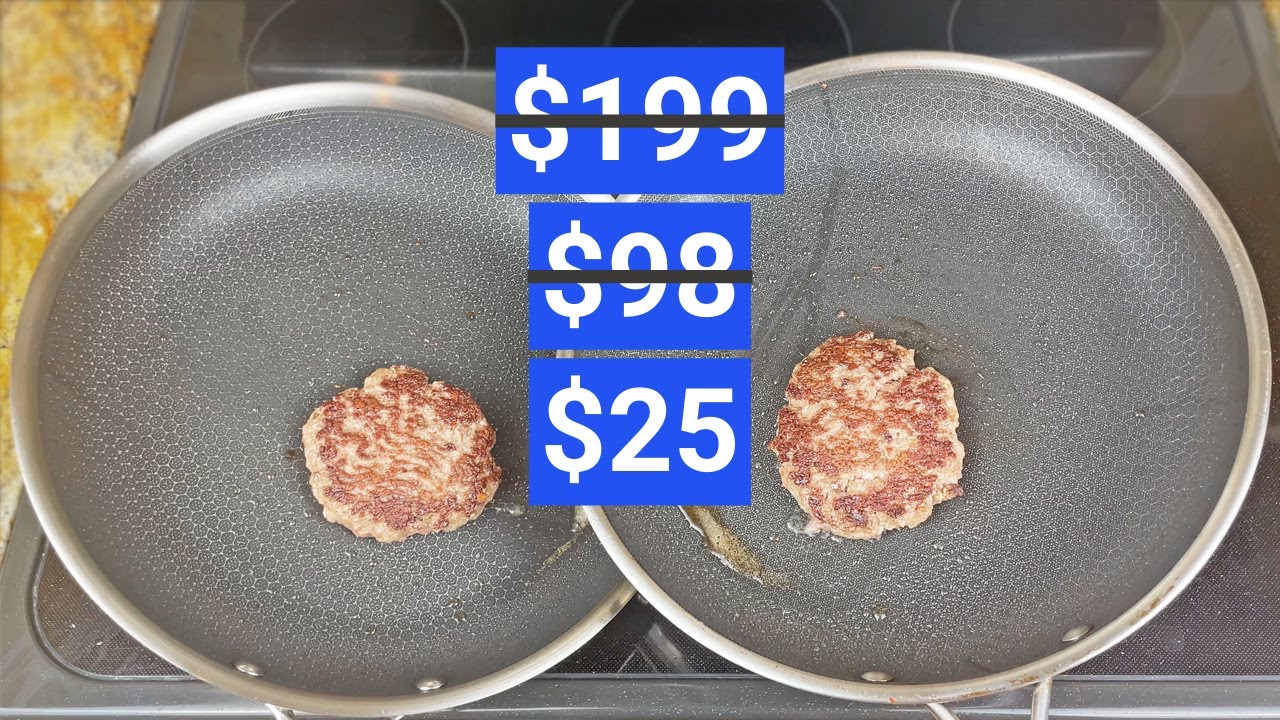
Both claimed dishwasher trustworthy in their ingredients, but I saved them to the sink for the reason that detergent and top warmth will fog PTFE over the years. If you love to blast your pans underneath an abrasive scrub pad, these hybrids will forgive extra than a average nonstick. They will not shrug off neglect as a naked stainless may.
The other sturdiness angle is the nonstick valleys. With repeated excessive-warmness dry preheats, PTFE will age. I by no means take hybrids above medium-high empty for greater than a minute. If you would like to preheat a pan to screaming hot for wok-like searing, use carbon steel. Neither HexClad nor Geo Clad is the accurate tool for that abuse.
Handling, ergonomics, and design choices
Handles count more than you watched. HexClad’s care for has a rounded best ridge and feels cooler a bit longer on gasoline. The Geo Clad care for is flatter and quite wider, giving greater manage for wrist flips, relatively with a full 12 inch pan. The HexClad’s rim flares pronouncedly, vast for pouring pan sauces devoid of drips. Geo Clad’s rim is greater conservative, more effective for maximizing surface house and minimizing boil-over in shallow braises.
The visible branding is the various. HexClad’s hex sample is showy, a calling card. Geo Clad has a faceted geometric motif that reads subtler. If you intend to hang pans on an open rack, aesthetics may possibly input the chat. Neither floor will continue to be showroom distinctly once you in reality prepare dinner day after day, that is effective. A pan with a number of studies seems to be more desirable than a pan that under no circumstances leaves the cupboard.
Pricing, units, and importance calculus
Hybrid pans payment real dollars. HexClad ordinarily sits on the top class quit. Expect the 12 inch skillet to be within the mid to excessive a whole lot relying on revenue and no matter if you package with lids. Sets lessen unit money however push you towards pieces you would possibly no longer desire. Geo Clad positions slightly cut, typically extensively cut back in the course of promotions. If you’re rate touchy but hybrid curious, Geo Clad may be the sample that will get you inside the door.
The durability question complicates magnitude. Traditional PTFE nonstick, with care, lasts two to five years earlier efficiency declines. Hybrids last longer considering the fact that you’re no longer dragging equipment across natural coating whenever. In my knowledge, a HexClad pan that’s used step by step will cling such a lot of its nonstick man or woman for 3 to 6 years, awarded you stay away from extreme warmness and don’t gouge it. Geo Clad is newer in my rotation, but after months of continuous use it exhibits minimal degradation. The denser sample could look after the coating a little more suitable in opposition t factor power. Long-time period archives, five years and beyond, will inform greater.
Maintenance and tips to continue them performing
Two behavior make bigger hybrid life. Preheat with the appropriate volume of fat, and easy with one thing softer than your ego. I warmness until a droplet of water skitters, upload a teaspoon or tablespoon of oil or butter depending at the challenge, then proceed. Deglaze with wine or inventory basically after reducing warm, to prevent thermal shock. For cleaning, a sponge or comfortable brush and warm soapy water frequently suffice. If you have got sticky lacquer from teriyaki or miso-glaze, simmer water with a drop of dish soap for a minute, wipe, and rinse. Both surfaces tolerate a nylon scraper for obdurate bits. Reserve scouring pads for the outdoors.
If an omelet begins to stick more than it used to, supply the pan a light deep sparkling. Fill with heat water and a teaspoon of baking soda, allow soak, then wipe with a soft textile. That lifts polymerized grease from the valleys and restores free up.
Where each pan shines
The explanation why to discuss David Burke Geo Clad vs HexClad is not very which one wins each project, however which fits your kitchen.
HexClad fits the cook dinner who craves a browned crust and desires a pan that feels towards stainless with nonstick counsel. It’s the device for steak nights, crispy-pores and skin fish, and instant relief sauces proper inside the pan. The weight helps with heat balance, and the showpiece sample seems to be the part if you happen to film your cooking or host primarily.
Geo Clad fits the house cook dinner who cooks mushy eggs on Tuesday, salmon on Wednesday, and a one-pan bird orzo on Thursday. It behaves predictably at medium warmth, cleans up moderately more convenient, and asks a tad less method to steer clear of sticking. The lighter weight helps somebody with wrist or shoulder complications.
The part situations and deal-breakers
If you prepare dinner with spray oil day-after-day, the two manufacturers will gunk up rapid. Propellant and emulsifiers leave film in the valleys. Use bottled oil and a brush or paper towel in its place. If you desire to throw pans in a 550 F pizza oven or beneath a ripping broiler, neither hybrid is your pan; grab solid iron or stainless. If you wish to flip smash burgers each weekend with steel spatulas and no oil, one could eventually abrade the nonstick. These are hybrids, not indestructible.
Another side case is gluten-unfastened breading and sticky rice dishes. The starch can uncover any tiny texture and bond. Here Geo Clad’s shallower sample helped me extra, which includes a dash extra fat and staying power. For breaded beef cutlets, either published tremendous as soon as the crust set, however the HexClad gave me a louder, crisper exterior. Choose dependent to your precedence: crisp or comfort.
Induction quirks and gasoline behavior
On induction, hybrids can hum at certain frequencies because of the sample and multi-ply base. HexClad hummed audibly at prime settings on one Bosch hob, silent on every other GE. Geo Clad turned into slightly quieter total in my checking out. If you're touchy to that sound, experiment a unmarried pan in the past shopping for a suite. On gas, flames licking up the edges can scorch the outer wall when you over-crank. The heavier HexClad resisted that browning a dash superior. Keep flames less than the pan diameter and also you’ll sidestep soot and discoloration with both.
Environmental and safeguard notes
Both brands use PTFE-stylish nonstick. That matters once you choose ceramic or go completely stainless. PTFE is inert at commonplace cooking temperatures, however overheats at very prime temps. Keep it below smoking oil temps while empty. Manufacturers moved far from PFOA in manufacturing years ago, however “PFOA-loose” labeling will be perplexing. Focus on utilization habits: mild warm, stay away from lengthy dry preheats, ventilate. If you percentage a dwelling house with parrots or David Burke Geo Clad vs HexClad principally touchy pets, keep on with the identical warning you could possibly with any PTFE pan.
Can both substitute your comprehensive set?
No single pan does all the things. Hybrids take care of 70 to eighty p.c. of day to day cooking for most families: eggs, fish, sautéed vegetables, cutlets, pan sauces, reheating leftovers. You will still prefer a naked stainless sauté pan for fond-heavy responsibilities, a heavy Dutch oven for braises and deep frying, and David Burke Geo Clad vs HexClad either cast iron or carbon steel for blazing warm sears and oven-roasted steaks. Think of a hybrid skillet as your on daily basis motive force, now not your merely automobile.
Buying suggestion founded on the way you cook
- You prioritize sear and don’t mind a moderately heavier pan: lean HexClad, distinctly in 12 inch. You prepare dinner sensitive foods in the main and need an light go with the flow at curb heat: lean David Burke Geo Clad, 10 inch for eggs and fish. You’re construction a minimal equipment: one 12 inch hybrid, one three quart stainless sauté, a 6 quart enameled Dutch oven, and a carbon metal for excessive warmth will cowl close to all the things. You’re on induction and delicate to hum: try whichever manufacturer you select in a unmarried pan first. You use metal tools incessantly: either let it, however adopt a gentle hand and blunt edges to increase life.
Final take after months at the stove
The hybrid promise is real in the event you tournament the pan to your behavior. HexClad leans stainless-ahead, with bolder sear and a section extra thermal ballast. It looks and feels premium, and it rewards chefs who preheat safely and management warm. David Burke’s Geo Clad leans closer to every day ease. It heats immediate, releases before, and asks much less strategy to get a blank end result on refined objects. It also has a tendency to undercut HexClad on rate, which things after you favor two sizes.
If you cook dinner loads of steak and love a pan sauce made at the fly, HexClad will make you smile. If you’re making omelets at 7 a.m., salmon at 7 p.m., and also you need cleanup to be the shortest step, Geo Clad will probable make you happier. I retain both in rotation for exceptional jobs. If I needed to prefer one for a small residence kitchen, I would pick the 12 inch Geo Clad for the balanced software and weight, then upload a stainless sauté and a carbon steel later. If I already owned a fabulous stainless pan and desired a hybrid only for sticky responsibilities and low searing, I’d elect a HexClad 12 inch to supplement it.

For valued clientele who asked specifically about David Burke Geo Clad vs HexClad, the hybrid hype holds up inside its lane. These should not miracle pans, yet they provide you with extra versatility than widely used nonstick devoid of asking you to babysit like stainless. Respect their limits, retain your warm sane, and both will earn its keep for your range.